



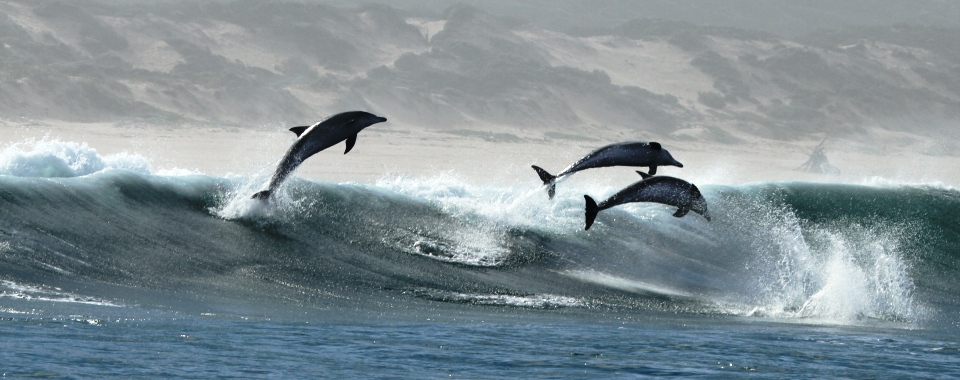
There are three dolphin species seen in Plettenberg Bay on a regular basis. They are Bottlenose dolphins (Tursiops aduncus), Humpback dolphins (Sousa chinensis) and Common dolphins (Delphinus sp). The species seen most frequently is the Bottlenose dolphin. Bottlenose dolphins got the name from their short beak and can grow up to 2.5m in length and READ MORE
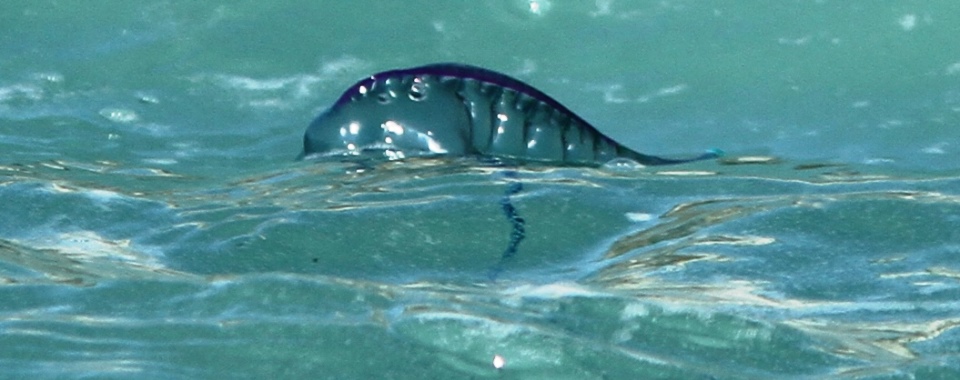
Summer has arrived and with it warmer weather and increased sea temperatures which attract more people to the beaches for a swim. When swimming and walking on the beach, look out for bluebottles or Portuguese man-o’-war (Physalia utriculus,). These strange organisms float in open waters of most oceans and are cast ashore after strong onshore READ MORE
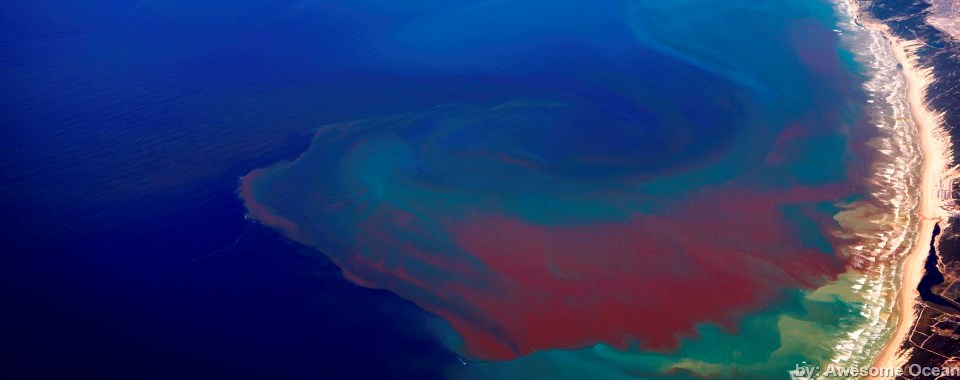
Over the past few weeks there have been several reports of the presence of red tide in various locations along the South African coastline, in particular off Algoa Bay (Port Elizabeth) and more recently off Plettenberg Bay and Knysna. ‘Red tide’ is the common name for a phenomenon known as an algal bloom. Algal blooms READ MORE
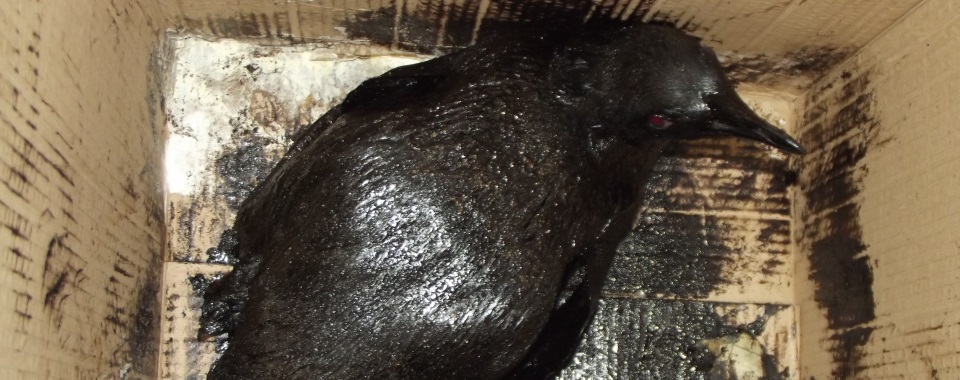
“What is an oil Spill?” An oil spill is a release of a liquid petroleum hydrocarbon into the environment due to human activities and is a form of pollution. Oil spills normally refer to the marine environment when oil is released from tankers, offshore platforms, drilling rigs and wells. “What effect do oil spills have?” READ MORE
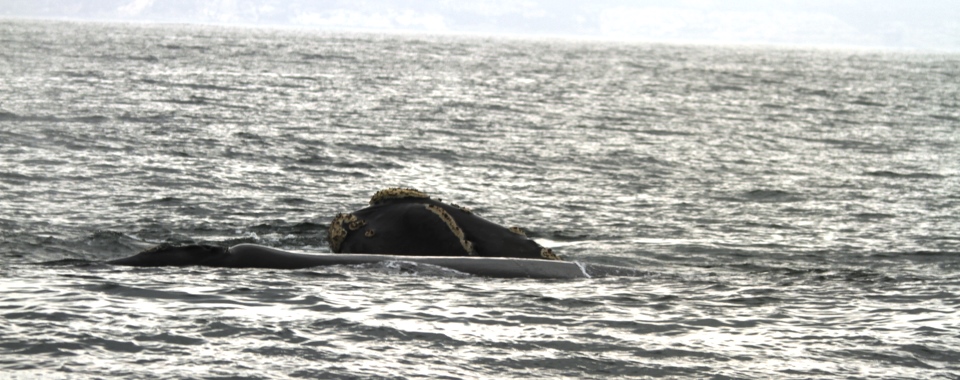
The common believe is that animals don’t have long term memories and cannot recognize people. It is true in some animal species, but others have proven higher intelligence. Studies have been done to determine animal mental capacities. Studies on primates have shown that they can remember and learn new things. They also teach their young READ MORE
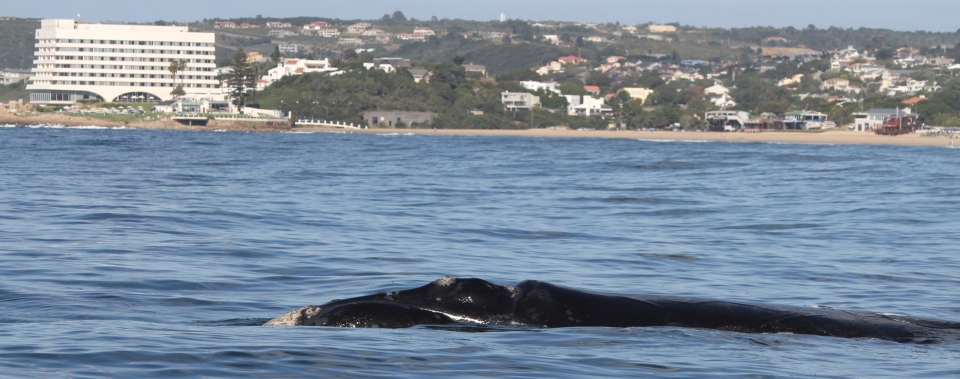
Whales have been hunted for their meat, oil and blubber from as early as 3000 BC. There are many coastal communities that have a long history of whaling, but the commercial whaling with organized fleets started in the 17th century. Whaling increased in the 18th and 19th centuries. Large factory ships turned whaling into whale READ MORE
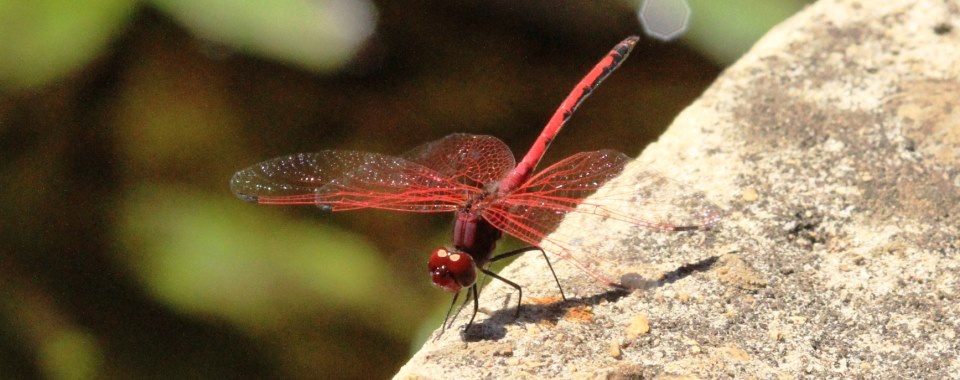
“What is animal migration?” Animal migration is when individuals (usually on a seasonal basis) travel long-distances. Migration is found in all major animals groups e.g. birds, mammals, fish, reptiles, insects and crustaceans. To be called a true migration the movement of the animals should happen annual or seasonal e.g. birds migrating south during winter or READ MORE
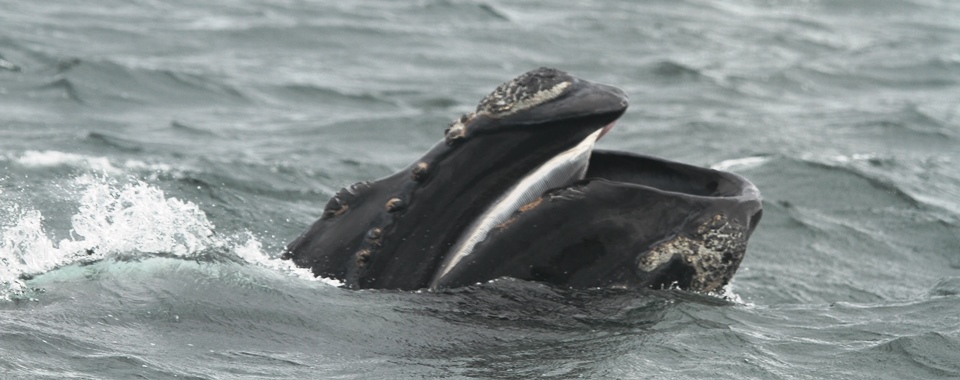
There are two types of whales in the world’s oceans, Toothed whales (Odontoceti) and Baleen whales (Mysticeti). As the name says toothed whales have teeth and baleen whales have baleen. The word baleen comes from the Latin word Bālaena, which is related to the Greek word Phalaina and means whale. There are four families READ MORE
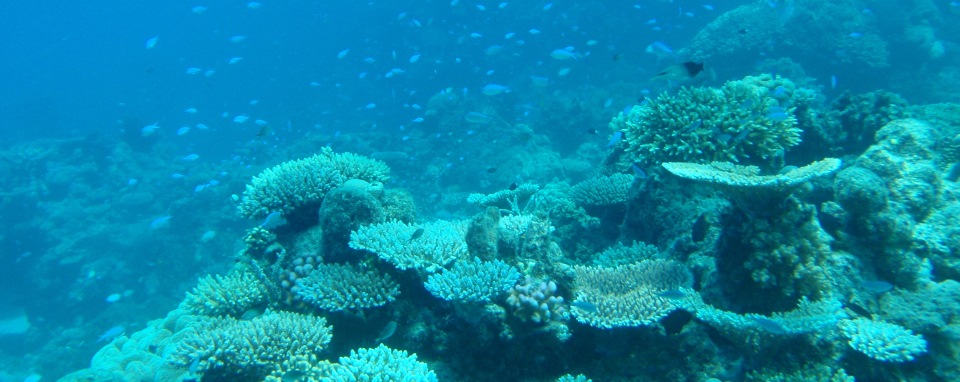
Mutualism is when two organisms of different species exist in a relationship where both individuals benefit from each other and is a type of symbiotic relationship. One well-known mutualistic relationship in the ocean is the one between Corals and their zooxanthellae. Corals form their calcium skeleton and the zooxanthellae lives in the skeleton. The benefit READ MORE